

 Sage Power R8 Intro and Reviews
Lineage and concept | Model-by-model reviews
Article and reviews by John Duncan and Richard Post
The Power R8 is an uncompromised Sage, highly evolved, specialized and yet so purposeful in the quiver of any angler. Our appreciation for Sage’s ultra-fast action fly rods has grown with each generation, originating with the TCR (2002) and advancing through TCX (2008), Method (2013) and Igniter (2018). At times regarded as an outlier loved only by anglers who seek maximum power at the expense of all other traits, what rod designer Peter Knox has delivered in the Power R8 is a compelling fly rod for every angler.
In ultra-fast fly rods, Sage owns the ground. Orvis entered the fray with the original Helios (2008), which were by far the stiffest competing fly rod, but successive generations of Helios were tamped down into fast or medium-fast actions. The Scott Radian was considered ultra-fast as well, but today there are no competitors, no other fly rods designed for this purpose or in the same action class whatsoever. Fortunately for the power-needy caster, Sage has humanized every generation of their ultra-fast rods and taken an impressive leap with Power R8, the most powerful fly rod on the market yet neither heavy nor oppressively stiff.
Sage fans and will love the Power R8. It’s the new torchbearer for the all-time leader in fast action fly rods. This is an unqualified Sage, a Sage without an asterisk, a Sage that will convert many anglers to the brand and greet lifelong Sage fans with a thumping high-five.
Everyone else is going to love it, too. Knox has perfected the taper designs for rods that cast naturally, forming easy loops at short distances and commuting refined feedback to the angler’s palm. This is a caster’s rod, but also an angler’s fly rod. We will discuss specific applications in our model reviews, but every angler should consider adding a Power R8 to their arsenal for windy days, big water, aggressive line heads and heavy fish.
Welcome to the Sage Power R8, a rod that stands completely alone in the fly fishing equipment market.

Model-by-Model Review
Power R8 590-4
John Duncan: This was the first rod I cast in the Power R8 series and it left me hoping that the others were cut from the same cloth (they are). The butt section is rigid and top half of the rod loads and recovers with fast and sure conviction, but in no way does this rod feel heavy or stiff, which is exactly how I would characterize its predecessors in Igniter, Method, TCX and TCR. The Power R8 590-4 is light and hand and light in the swing. Rod designer Peter Knox says these rods are “faster action” than Igniters, but in my hands they simply build line speed more easily. I don’t find myself overpowering this rod, nor struggling with the timing. I think almost everyone will come to the same conclusion: this is a fast-action fly rod that’s easy to cast and incredibly powerful.
This is not a specialty fly rod. It’s an all-purpose fast action rod that is equally capable with dry flies as with streamers and heavy nymphs. I cast it (and loved it) with a Rio Gold XP, an all-purpose weight-forward line with a heavy-ish head. It will also fish great with an SA Infinity Taper, Rio Predator streamer line, any specialized nymphing taper and a wide range of sinking lines. On the water, I recommend the Power R8 for windy day dry flies, hopper-droppers from the driftboat, light-end streamer work and all nymphing.
Richard Post: What stands out immediately is how composed this rod is at short range. You don’t need to force it to straighten the leader with just a few feet of line outside the tip. Rock back, stop, and the leader unrolls. Ultra-fast rods of the past didn’t do this. Slow and moderate rods do by design; fast rods usually don’t.
With ten feet of line out, the blank loads and responds with calm authority, intent on executing your cast. Refined and alive in the hand, the rod almost rings when I pick it up. It loves to be driven hard, and the top-end potential feels limitless. But this is far more than a distance or tournament rod. With a light touch, it delivers precision and purpose. Delicate when asked, powerful when called upon.
As more line leaves the tip, that sense of accuracy only grows. From 30 to 75 feet, the Power R8 590 sets the performance bar and offers a real advantage, especially when conditions aren’t ideal.
I’ll fish the Power R8 590 primarily as my dry-fly rod, mostly from the boat. BWOs down to #22 on 6X, #14–16 yellow sallies, caddis, and stimulators on 4X, and #4–6 large terrestrials on 2X. Leader lengths will run close to two rod lengths for the small bugs, tapering down to nine feet for the big stuff. It will nymph and fish an indicator expertly, and I have no doubts it will handle the array of sinking lines if you so choose.
Power R8 690-4
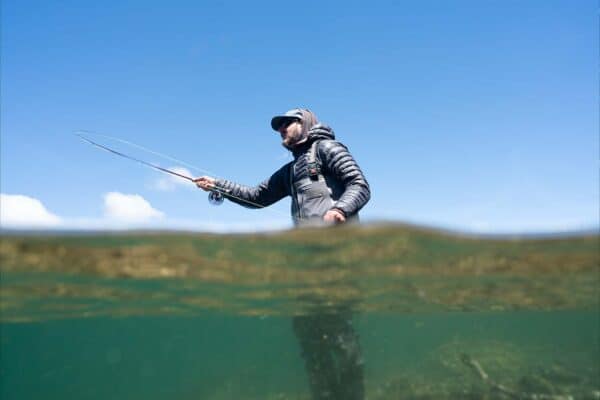 John Duncan: This is one of the most important rods in the series because every streamer fisherman wants a light and powerful 6-weight that can handle larger flies that would normally require a 7-weight. When streamer fishing, we cast all day. A lighter, more powerful fly rod is easy on the casting arm. Like all rods in this series, I’m really impressed with how easily this rod forms casting loops without need for overpowering, and with the sleek transition from light and accessible in the tip to rock-solid launch pad in the butt. It’s just a well-designed fly rod.
I would fish this rod with streamers and dry flies without reserve, but for nymphing, it’s going to need an extra-heavy fly line to mend line or execute short roll casts. For heavy trout nymphs, consider fishing an SA Anadro WF7F line, for example. The Power R8 690-4 loves a streamer line, from the Rio Predator to the whole family of SA Titan and Titan long fly lines. It’s the rare trout rod that can handle a Rio Outbound, too. Fish this rod with any streamer, from size #12 Wooly Buggers to full size Dungeons and other articulated patterns. It’s a 6-weight that fishes like a 7-weight. That’s the whole idea.
Richard Post: The Power R8 690 is a superb example of a 9-foot, 6-weight and a true personification of the intent of the 6-weight fly line. The 690 showcases the blank and exemplifies the bend, along with its otherworldly recovery and rebound. The stability grabs you immediately; it feels as though the rod has invisible outriggers, guiding the line back into the correct plane the moment it thinks about wandering. The Rio Gold XP is the perfect line for this rod, and the shared design intent between the two is obvious.
The Power R8 690 is the rod to take to South America. It will help you catch more fish because it allows you to keep fishing when everyone else is crouched below the gunwales, hiding from the wind. This is the rod you want in the boat for the majority of western drift boat fishing, especially if you like throwing a big chubby with a five-foot dropper to a girdle bug or running an indicator rig. You’ll have more control casting these gangly rigs into the wind and getting your leader to turn over. The 690 is an authoritative streamer rod and handles the same lines as its fighting butt clad sibling with equal measure.
Power R8 690-4 FB
John Duncan: This version of the 9’ 6-weight is equipped with an aluminum reel seat and fighting butt for saltwater crossover. Built on the same blank as the Power R8 690-4, it has the same casting characteristics except the grip is mounted about 1” higher on the blank to provide an inch sticking out the bottom of the reel seat to which the fighting butt is attached. Although a tiny bit heavier than the regular 690-4, it feels lighter, the improved balance playing a little trick on my senses. Theoretically, mounting the grip higher on the blank would quicken the rod too, but in my hands these cast like the same fly rod. It’s hard to find anything to criticize with these 9’ 6-weights, but the angler should up-line the rod for nymphing to open the casting loop and allow the rod to load easier for roll casting and line mending.
Richard Post: Distinct and purposeful, the Power R8 690 FB defines itself as the consummate 6-weight for streamer fishing. When pulling sinking lines and soggy streamers from the water, this rod delivers power with intent. The efficiency and purpose built into the taper are immediately evident, almost juxtaposed against the rod’s physical lightness. So much strength and power, yet svelte and refined in hand.
The fighting butt is slightly smaller than those on the 7, 8, and 9, and the full-wells cork follows suit with a slimmer profile. The fighting butt shifts the reel slightly up the blank, and the resulting lightness toward the tip of the 690 FB is noticeable compared to the standard 690. The FB version absolutely devoured exaggerated WF lines with aplomb. It also loved the Gold XP, just a micro hair quicker than the 690 with that line.
Accolades aside, the most surprising aspect of this rod is its ability to mend and access the lower portion of the blank. On the very first cast, my mind drifted nostalgically back to the ONE 691. The casting feel is remarkably similar, but with the added ability to roll cast and throw mends reasonably well, something the ONE 691 simply didn’t do.
Power R8 696-4 FB
John Duncan: This rod might cast farther than any other trout rod on the planet. Line mending and roll casting are a chore, however, so the angler should choose this rod for situations that call for massive overhead casts but don’t require touchy line control techniques. I first cast this rod with a Rio Elite Gold XP line. For straight up bombing, it’s a hard combination to beat. The Power R8 696-4 is a terrific rod for casting sink tips with streamers or wet flies and this will be a popular model for single handed steelhead anglers who fish floating lines on big water, as long their rivers allow plenty of room for a backcast. The rod simply isn’t designed for roll casting, but it will hold your backcast high above the willows and has no limit in distance.
Richard Post: The Sage Power R8 696-4 FB is the rod in the Power R8 lineup that makes it clear the designers at Sage are truly paying attention. They aren’t building rods in a race to be the fastest or cast the furthest; they’re using ultra-fast taper concepts to create real fishing tools that perform with purpose and intent.
The 696 exemplifies the remarkable bend profile and recovery speed of R8 material. The sensation isn’t so much the blank bending closer to the cork, but rather energy entering the lower portion of the rod, as if the power is emanating down from the tip. The control this affords the caster is intoxicating, enabling long casts with nuance and feel at the end of the line. It carries line aloft with an ease that mocks gravity.
Remarkably stable and intuitive across all casting techniques, a 9’6” 6-weight must roll cast long and strong, deliver overhead to the backing knot, and single spey to the far bank. The Power R8 696-4 FB does all of this expertly, leaving you without want for the far shore. Big indicator rigs for trout and summer runs, blind casting for sea trout, single-hand swinging for grilse, and virtually every stillwater application imaginable are arenas where this magnificent rod truly shines.
Power R8 790-4
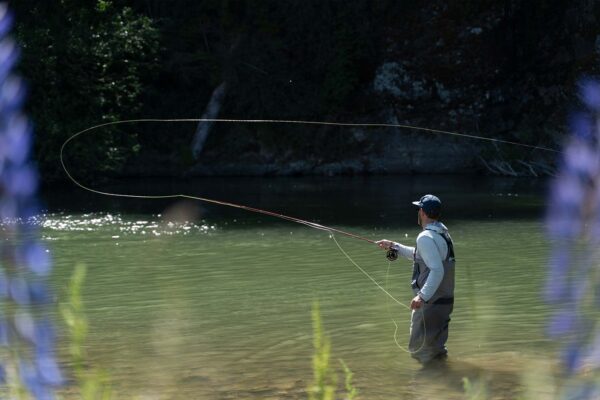 John Duncan: This is a model by which the whole series will be judged because a fast action 7-weight is such a useful fly rod. Many dedicated anglers fished the Igniter 790-4. All will be impressed with the new Power R8 790-4. Fish it with heavy sink tips, bass lines, aggressive streamer lines such as the Rio Outbound or SA Titan, or take it to the flats with a bonefish/redfish taper. Carp, pike, schoolie stripers, largemouth bass, salmon and plus sized trout are all on notice.
The power of this rod is undeniable, but once again, my attention is drawn to the improvement in castability and feel over the Igniter 790-4. These aren’t cosmetic improvements. I get more line speed with fewer casting strokes from this rod, and better control of my loop shape at distance for the longest possible casts and best presentations in the wind. It’s a better fly rod.
Richard Post: The jack of all trades in the Power R8 lineup, the 790 feels like an improvement in every way over the Igniter 790. It’s friendlier to the caster, offers more range and nuance, and doesn’t demand the same level of focus to get the job done. The Power R8 790 spans the spectrum of fly fishing—from trout to light saltwater and everything in between.
Lines with a bit more mass or a sinking front section feel particularly at home, and the 790 handles awkward setups with ease while making light work of heavy lifting. If you’re throwing large trout streamers, Triple Dungeons, or marabou ménage-style flies, this rod keeps everything under control. The Elite Predator series feels perfectly at home on this commanding 7-weight, pick your density and go. Run it fast and sleek with a bonefish taper, or step into an Elite Flats Pro for a feel closer to the Predator series in the saltwater.
Power R8 7100-4
John Duncan: Steelhead and stillwaters: the Power R8 7100-4 is one of the most purposeful rods in the series. It is designed for lifting and casting sinking fly lines, whether a heavy sink tip on a winter steelhead river or a full sinking line on a stillwater. Rods for these purposes are always over 9’ in length. The rigid butt section of the Power R8 7100-4 helps lift a long line for your next cast and has a tangible advantage for pulling heavy heads out of the depths. It also holds the line nice and high on the backcast, a real necessity for making overhead casts while wading waist-deep for steelhead. It’s a rod that can fish a dry line for steelhead too, but I would recommend overlining with an 8-weight, loading the rod deeper for roll casts and single-Spey techniques.
Richard Post: Stillwaters and anadromous fish are the primary focus of the empowering and purposeful Power R8 7100. Light for its length yet possessing herculean strength down low, this rod lets you yard an impressive amount of line off the water with ease.
Long-headed anadromous-style lines like the Rio Elite Salmon/Steelhead or SA Anadro are excellent matches. I’d also experiment with an 8-weight version of your favorite trout nymphing line, the 7100 feels like it wouldn’t mind a little more mass. For sinking lines, stay toward the upper end of your usual 7-weight grain windows; 250 grains is closer to the low end than the high.
When it comes to single-hand spey casting with the 7100—and the 696 Power R8 as well—these are ultra-fast action rods and they are not forgiving if your timing is off. The load windows are specific and quick. I found the best success with touch-and-go, Scandi-style single spey casts. The rod liked the single Spey, but even a snake roll introduced too much room for error in rod movement. Less is more, but it must be just right. Roll casting is similar and precise power application rewards the caster, along with more power; you need to stand on this rod to get the most out of it.

Power R8 890-4
John Duncan: The 8-weight is the most improved rod in the series. The Igniter 8-weight was arguably a 10-weight, incredibly powerful but uncastable in the hands of many. The new Power R8 890-4 might still be the most powerful rod relative to line weight in the series, but it is now a highly refined 8-weight, rather than something else, empirically.
This is a saltwater rod of the highest order that some anglers will repurpose for heavy pike or salmon. Cast it off the beach for stripers. Fish it on the West Coast for open water salmon. It’s a legitimate 8-weight for Louisiana redfish and permit that still swings light enough for bonefish anywhere in the world. It casts standard saltwater lines with tight loops and enormous line speed but really distinguishes itself when the angler asks a special favor, like knocking a Rio Outbound over breaking surf or driving a wind-resistant permit crab into a headwind. It plays fish like a 9 or 10-weight but feels lively and frisky on any cast with any fly line. This rod has the answer. Ask the question.
Richard Post: The Sage Power R8 890 is the most improved model over the Igniter. The Igniter was stubbornly fast and often required line tinkering to match your casting stroke and ability. The Power R8 is a different animal altogether.
It retains all that downright power but pairs it with a taper that performs surprisingly well with only a little line out of the tip. A Rio Elite Flats Pro WF8F feels just right as an all-around line, especially when you’re throwing flies bulkier than a #2 Gotcha. Rock the blank back and stop it with intent, the leader rolls out cleanly. It loves to reach out, and it does so quickly when called upon.
Like the 5- and 6-weights, the Power R8 890 shows a healthy measure of incremental power acceptance. You don’t have to hammer this rod to get it to perform. Sit back on it just a touch and it delivers with a nuance and feel this class of rod has not traditionally offered.
Power R8 990-4
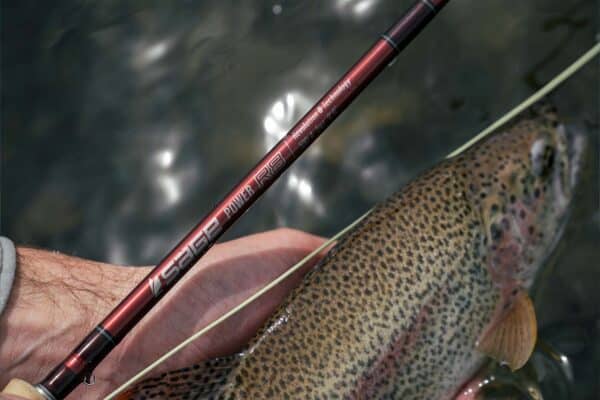 John Duncan: The R8 990-4 fishes high in its line class, covering most 10-weight purposes without actually feeling like a 10-weight. My top uses for this rod would be striped bass fishing from the boat or beach, heavy permit and mid-sized tarpon, up to about 50 lbs. It will handle all but the largest roosterfish, too, the rare 9-weight that belongs on a boat in Baja.
Although friendlier than its Igniter predecessor, I found this rod to be one of the stiffest in the series. For me, it cast best with an SA Bonefish Plus WF9F line, from which I deduce that the angler should pair it with a heavy-headed line for most angling situations. It will handle all sinking lines with ease and plus-sized flies on specialized saltwater lines, such as the SA Titan series, which are designed for casting large, awkward flies.
All the power you expect in this class, delivered in a more approachable package. Expert casters will love this rod with a Rio Elite Flats Pro, SA Bonefish Plus, or Rio Elite Bonefish, depending on fly size and conditions. First-time bonefish anglers will enjoy it with a Rio Outbound Short WF8F.
Richard Post: The model most reminiscent of the Igniter series, the Power R8 990 flirts with the line between a 9- and 10-weight, much like its predecessors. It’s more approachable than the Igniter, but still not a rod you can rest your laurels on. This rod won’t let you sit back casually; it demands engagement and rewards persistence with command out of the tip that’s unmatched in virtually all 9-weights.
Think mean work: full-sink Type 6 striper fishing from the boat, must-make permit shots into the teeth of the wind at 80 feet, or sprinting into position for that one hero roosterfish cast. The painful-fun kind of fishing that usually leaves you humbled—this rod helps.
The Power R8 990 isn’t anyone’s ankle-deep wading rod. This is the stick you reach for when conditions get bad but the fishing is good, those bright pockets of heaven tucked inside hellish weather. Part the skies with the Power R8 990.