
Article by John Duncan with casting input from Richard Post, Wes Yarnall, Curtis Nelson and Harry Kearney
The Competitors | Casting Process | Model-by-Model
Jump straight to your length and line weight
3-wt | 8’6″ 4-wt | 9′ 4-wt | 10′ 4-wt | 9′ 5-wt | 9’6″ 5-wt | 10′ 5-wt | 9′ 6-wt | 9’6″ 6-wt | 9′ 7-wt | 9 1/2′-10′ 7-wt | 9′ 8-wt | 10′ 8-wt
The Competitors
Scott Session
 Introduced in spring 2024, Scott re-entered the mid-priced rod market with intent to raise value in this category and offer anglers a signature Scott rod as an onramp to the brand. Scott describes the Session series as “fast with feel.” We qualify them as “medium fast,” rather than “fast.” In this casting exercise, we found Sessions to be notably lighter than comparable Arrow, Recon and IMX Pro V2 models. They are also slower in action, with only one or two models possessing as much raw power and resilience as their counterparts. In lighter line weights (#3-6), most Sessions are sweeter dry fly rods but less capable with streamers. The 7 and 8 weights are a whole different story, but in common trout models, anglers who appreciate lightness, touch and loop control will take a shine to the Session series.

Sage Arrow
 We were unsurprised by the fast-ish action of the Arrow because Sage’s mid-priced rods have always conformed to this casting style. There are many stand-out models in this series, ranging the from the 486-4 to the 796-4, rods that compete with any high-end rod on the market. It’s great that Sage offers specialty rods at this price, too, rather than just 9-footers. For example, Arrow steelhead and salmon rods in line weights 7-8 punch way above their weight. The componentry and build quality of the Arrow may be the highest in class. Arrows are slightly more expensive than their mid-priced competitors, but they are also brand new, so the price of the others seems likely to catch up over time.

G.Loomis IMX Pro V2
 Similar to the Arrow in overall weight and action, the G.Loomis IMX Pro V2 possess a smooth, progressive action that reflects sophisticated taper design. They are fast action, but not ultra-fast. As a group, they seem to have been designed for nymphs and streamers first, followed by large dry flies such as stoneflies and hoppers, as well as smaller dry flies fished at distance or in the wind. They fish high in their line class and respond well to powerful casting techniques, prototypical of the most popular rods in the Northern Rockies.

Orvis Recon
 Designed for versatility and durability, the 2026 Orvis Recon will meet or exceed the expectations of the serious angler. If you’re looking for a well made rod that is medium fast to fast action in character and casts with a rhythm that is easy to anticipate, the Recon is a convincing fly rod. Unlike some of Orvis’s past mid-priced rods (the Rocky Mountain Series comes to mind), Recons cast great from short to long, respond confidently to a strong casting stroke and delivery your flies with an extra zap of line speed. They err on the side of stability and power, excellent for fishing in the wind and playing heavy fish. We generally recommend slightly heavy fly lines for the Recon because they load the rod naturally without extra effort from the caster, tapping the power of their butt sections.

Line choices and casting process
When it comes to rods, fly fishing is a sport of preferences, not empirical superiority. In this article we occasionally identify a stand-out fly rod, but rather than ranking our favorites, our goal is to distinguish the character of these mid-priced rods to help the angler make a choice that best fits his or her criteria. For every angler, there is a “best” fly rod. We’ll help you find that rod. Like models were cast side-by-side with the exact same fly line, which we will identify for each model group. For example, we cast all the 4-weights with a Rio Technical Trout and all of the 7-weights with an SA Infinity taper.
Model Comparisons
Session 803-4 vs Arrow 376-4
We would like to thank Scott and Sage for offering mid-priced 3-weights, such a popular line weight in the Southern Rockies and everywhere creeks are a prominent feature of the fly fishing landscape. These two rods are night and day. The Session is medium-fast, light, crisp and delicate — exactly what we expect in a versatile, mid-length 3-weight. It may be used on a wide variety of waters with flies ranging from a size #10 grasshopper to the smallest midge in your box. It is a dry fly rod, but perfectly capable of handling a light dry-dropper rig. The Arrow 376-4 is medium-slow action with a stiff tip that doesn’t engage until about 20 feet of line are out of the tip top. Choose this rod only if you strongly prefer a slow action creek rod with an old-world action that requires patience in the casting stroke. We would recommend the Session 803 to just about anyone. Choose the Sage only if you are 100% sure the action suits your style.
Session 854-4 vs Arrow 486-4 vs Recon 8’6″ 4-wt
We cast these three rods with a Rio Technical Trout and found it to be ideal on the Session but a little light on both the Orvis and Sage, both of which feel best with a Rio Gold XP or SA Infinity Taper. The Sage 486-4 Arrow is a standout fly rod, the best pure fast action rod in this group and one of the best mid-priced rods on the market. For all the world, it feels like the former Sage X 486-4, which in turn was one of our favorite rods in its series. The Arrow 486-4 is faster action than the Session and lighter than the Recon. It casts with highest line speed and will handle the widest variety of fly lines in this group. The Arrow is also the “rangiest” rod, loading and delivering both short and long with equal ease. The Session is a lovely dry fly rod best suited for small and medium sized dries at distances up to 40′. It will be overpowered by heavy lines, aggressive nymph rigs or wind-resistant flies, but is the best choice for the angler seeking the lightest touch in a mid-priced 4-weight. The Orvis Recon errs on the other side. Fished with an SA Infinity taper or other heavy-ish line, it possesses the greatest power and stability for casting small streamers, large hoppers and double nymph rigs. It offers less tip feel than either the Scott or Sage, but is most suitable for making long casts.
Session 904-4 vs Arrow 490-4 vs IMX Pro V2 490-4 vs Recon 9′ 4-wt
The Session is the lightest and best suited to fishing smaller dry flies. It casts with a quick tempo , but only when paired with a light line like the SA Trout Expert or Rio Technical Trout. It is not a power-oriented fly rod, but generates wonderful line speed with a light touch from the caster. Although perfectly capable of fishing small dry-dropper rigs, this rod excels with dry flies, long leaders and precise presentations. It is our favorite dry fly rod in the group.
The Arrow, IMX Pro V2 and Recon have a similar casting cadence: fast, but not ultra fast. They are heavier rods than the Scott, but offer more command at distance and are better choices for fishing nymphs and small streamers. These rods should be paired with heavier lines, such as the Rio Gold XP and SA MPX, which enable the angler to fish larger flies and nymph rigs without overpowering the cast. The IMX Pro V2 bears a smoothness characteristic of the whole series. It casts like a well-ironed shirt wears, especially in the hands of an experienced angler who can coax maximum loop control out of a well-tuned fly rod. In Richard’s words, “the Loomis is exactly what I want from a fast action dry fly rod.” The rod’s four parts are beautifully integrated. It is slightly heavier and, also according to Richard, “1/4 measure faster” than the Session 904-4.
The Arrow 490-4 is an enigma. It’s a dry fly rod with a light tip that generates high line speed for delicate presentations, but requires a heavy line to flex down through the top two sections of the rod into the smooth and sweet bottom end. It would be interesting to fish this rod with a 5-weight SA Trout Expert, which might load the rod deep enough while still presenting the fly with the delicacy of a dry fly line.
All of our casters felt the Orvis Recon 9′ 4-weight was the most nymph-oriented of the four rods in this group. It has an extra gear for casting in the wind and stabilizing the delivery of strike indicators and wind resistant flies, but lacks the airy lightness of the Scott Session and the polish of the IMX Pro V2.
Session 1004-4 vs IMX Pro V2 4100-4
These rods cater to specialists. 10′ 4-weights offer superior reach and sensitivity, but the angler usually has a specific purpose for this rod. The Session 1004-4 is medium to slow action by modern standards. It is designed for short distance casting and technical nymphing techniques with maximum line control and sensitivity to subtle strikes. It will roll cast and mend line like a champ, but has limited capability at distance, with sinking lines or heavy flies. The IMX Pro 4100-4 is more “fast action,” an ideal choice for stillwater anglers and for high stick nymphing in mixed water conditions and potentially at greater distance than the Session. Choose this rod for all-purpose light line techniques, whereas the Scott is specifically more suited to technical nymphing.
Session 905-4 vs Arrow 590-4 vs IMX Pro V2 590-4 vs Recon 9′ 5-wt
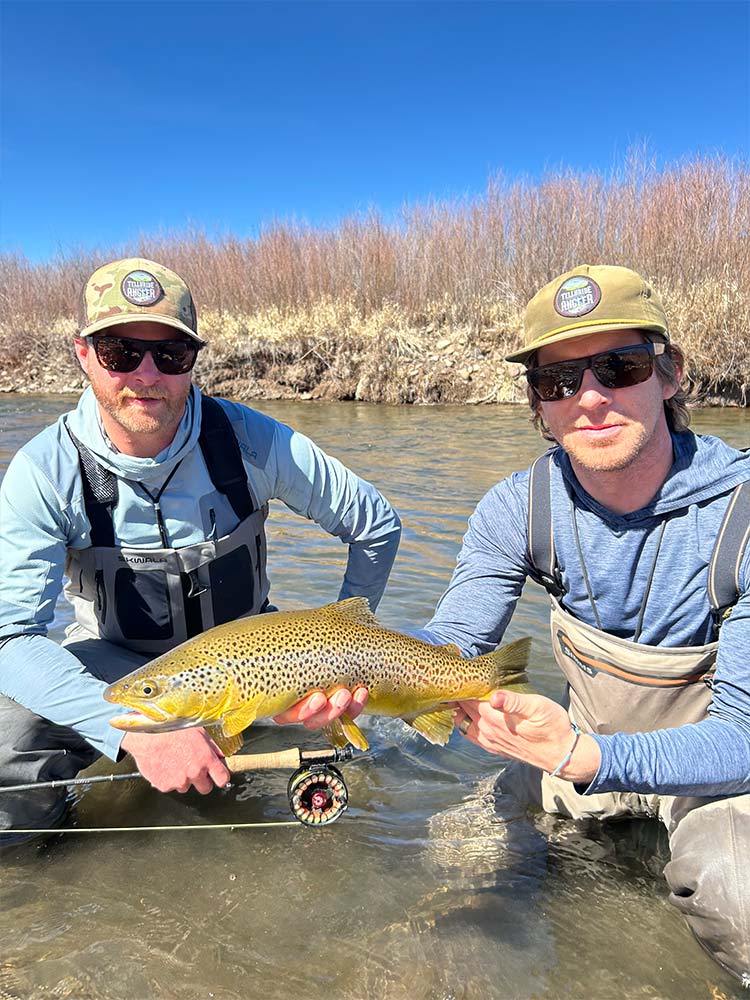
There is so much value and quality in this group of all-around trout rods. The Scott Session and G.Loomis IMX Pro V2 are similar rods in that they flex very progressively, casting well from short to long. The Session is the lighest, most dry fly oriented rod in the group. It is a medium-fast action rod equally capable in all 5-weight techniques: dry flies, dry dropper rigs, light nymphing and small streamers. It is the slowest action rod in the group, but not a slow action fly rod. The Session has the sweetest feel and greatest sensitivity among these rods, a wonderful choice for the wading angler. The Loomis also feels like a dry fly rod, albeit faster action. Rich calls it “fast, but not too fast,” a sentiment echoed by Wes Yarnall and Duncan. It has the most raw casting prowess of any rod in this group and would be our top choice for a float fishing/Northern Rockies dry fly rod. It feels lighter than the Sage and Orvis, but not as light as the Scott.
The Sage Arrow has that classic Sage feel and natural power. It is slightly heavier than the Session and seems to ask the question, “is that all you got?” Compared to the Scott Session, it is less polished with a dry fly but more commanding with nymphs and streamers. The Arrow might be our favorite dry-dropper rod in this group and generally fishes higher in the 5-weight line class than the Session.
The Recon 9′ 5-weight requires a heavy fly line and aggressive casting stroke. It’s a great fishing rod, but pair it with a Rio Gold XP or SA Infinity taper for best results. For several of our casters, the Recon feels like a “big river rod,” lacking the delicacy of the Scott or the precision of the G.Loomis, but capable of making long casts and playing heavy fish.
Session 955-4 vs Arrow 596-4
Both of these rods are better on the water than in the parking lot. It should be noted that Sage and Scott generally make outstanding 9 1/2′ 5-weights. True to form, the Session flexes a little deeper and “uses more of the rod.” It executes the cast and all subsequent techniques efficiently and effectively from short to long. The Sage feels “tighter” and a little more power-oriented. Fish the Sage with a heavier line such as the Rio Gold XP. The Scott offers better loop control while the Sage has the edge in casting distance and stability with a heavy fly rig. The Scott is the best roll caster at short to mid distance whereas the Sage casts with higher line speed and can be whacked a little harder in aggressive fishing situations. Both are great fly rods, fish catching machines on any water, and both equipped with a small fighting butt.
Session 1005-4 vs IMX Pro V2 5100-4 vs Arrow 5100-4
These rods mirror their 4-weight equivalents. The Scott is much slower action, ideal for technical nymphing and short-to-mid distance dry fly fishing. It offers tremendous feedback to the angler but lacks the backbone for sinking lines or large flies fished in heavy currents. The Loomis IMX Pro V2 is a stouter rod, sacrificing a bit of touch but offering much more in the way of power and control. This is the better rod for high sticking large nymphs, working with sinking lines and fishing larger rivers. We characterize the Scott as medium action while the Loomis is fast action. The Sage Arrow falls right in between, lighter and more nimble than the Loomis but more powerful and versatile than the Scott. It feels a little bouncy with a dry fly line, but most anglers would use a 10′ 5-weight for nymphing rivers or fishing a lake, potentially with a sinking line, under which circumstances the rod will be loading deep for energic casts and line mends. The Loomis will make longer casts, but the Sage may be the best choice for making long casts all day long without tiring your casting arm.
Session 906-4 vs Arrow 690-4 vs IMX Pro V2 690-4 vs Recon 9′ 6-wt
These rods are distinct in character. The Session 906-4 is a dry fly 6-weight, light and sweet but lacking the power to fish streamers or heavy nymph rigs. The Recon 9′ 6-weight is perhaps our favorite all-around rod in this group. It is more stable and smooth than the others, best tuned for nymphing, streamers and large dry flies. All five of our casters commented on the overall quality of the Recon 9′ 6-weight, a rod that delivers with confidence to spare.
The G.Loomis IMX Pro V2 690-4 excels with a dry fly or small streamer and may be considered the finest pure casting rod in this group. In Harry’s words, “This was a standout for me. Some rods just feel happier to get your hand around and satisfy the soul when cast.” The IMX Pro V2 is noted for its lightness and intuitive casting action.
The Sage Arrow is offered with or without a fighting butt. In our hands, they felt quite similar. Both models cast best with a Rio Gold XP or SA Infinity taper, which are heavy enough to slice down into the powerful lower end of the rod, tapping its natural power. Neither rod casts as smoothly as the Loomis nor with as much power and precision as the Orvis, but they are true to their line weight and will probably catch all of the same fish. They feel durable and reliable, but do not match the casting refinement of the Orvis Recon or G.Loomis IMX Pro V2.
Session 956-4 vs Arrow 696-4
These two fly rods are equally capable but seem tuned for fishing at different distances. The Scott Session is medium-fast action, well-tuned to the finer techniques, including precise line mending, roll casting and tippet protection. It casts best with a Rio Gold or SA Trout GP, both of which shoot cleanly with excellent loop control and line speed. The Sage Arrow is a faster action rod, capable of casting farther and managing your flies and strike indicator across broad water with more command than the Session. The Session may offer advantages with smaller flies and light tippet, but the Arrow is a better “big water 6-weight” for large rivers, and will handle sinking lines with greater authority for stillwater anglers. The Arrow has a stronger butt section and will be a better crossover rod for summer steelheading, too.
IMX Pro V2 6100-4 vs Arrow 6100-4
We were completely blown away by these rods, both of which belong in the high end price category. Both possess a magical lightness given their length, and a wonderful sense of being connected to their fly lines. Both are fast action, but the Sage is a measure quicker, casting “off the tip,” whereas the Loomis uses a little bit more of the rod, flexing slightly deeper and recoiling with tremendous snap. The Loomis is the best roll caster and generates the most line speed with least effort, but several of our casters preferred the Sage for its loop control capability. The Sage might be best with sinking lines, too, because its natural inflection point is just a little higher on the blank, so it pulls up a sinking line more deliberately and holds the line higher on the backcast. Equally suited for big river trout fishing, stillwaters and steelhead, these two fly rods bring major game to their somewhat specialized applications. We cast them with the Scientific Anglers Infinity taper, which was wonderful, but could tell that both rods would handle a wide variety of 6-weight lines. Said Harry Kearney of the Arrow 6100-4, “As somebody who seldom fishes longer rods, this one was approachable and user friendly.”
Session 907-4 vs Arrow 790-4 vs IMX Pro V2 8710-4
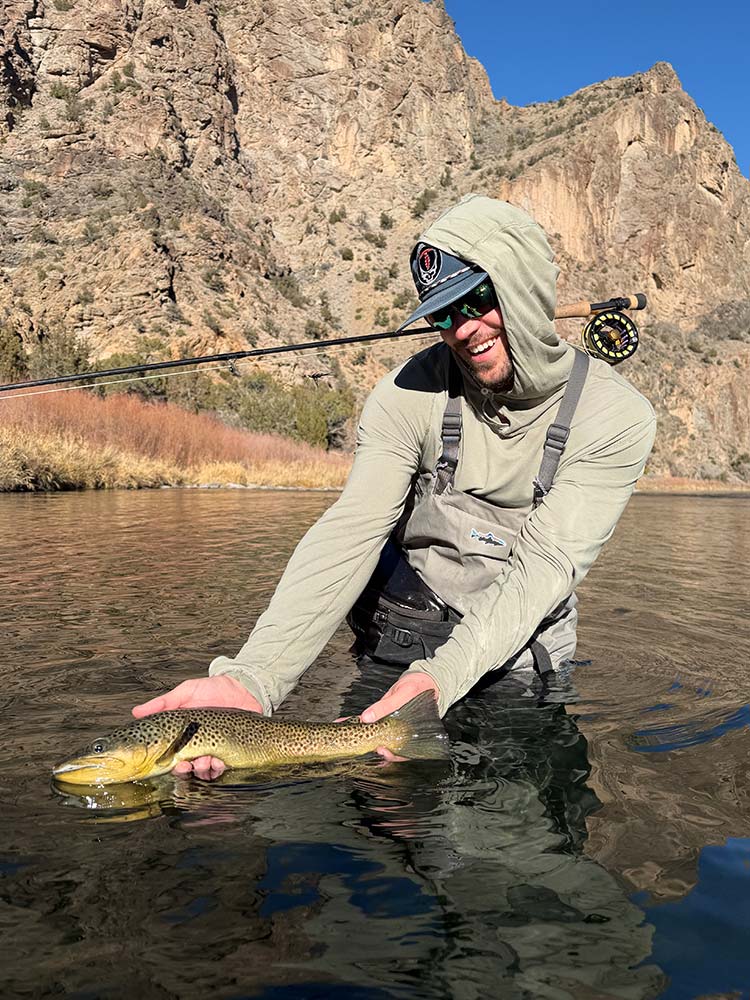
The G.Loomis IMX Pro V2 8710-4 is specifically designed for streamers and, thus, for both trout and bass. Compared with the Session and Arrow, it is stiffer through the bottom 3/4 of the rod and softer in the tip with a well-defined casting flex point about 1/4 of the way down from the the tip top. It casts streamers and bass bugs with great command from this release point. Richard Post calls the taper “intelligent, purposeful.” The top section flexes enough to put some graphite behind twitches on the retrieve, adding life to the streamer presentation. The Session and Arrow are more “progressive” in action. The Session feels like a big trout rod. With a Rio Gold or SA Infinity taper, it casts beautifully with a relaxed casting stroke. It’s an excellent trout rod for Alaska or Kamchatka and easy all-day smallmouth stick, but lacks the backbone for specialty streamer lines such as the SA Titan Taper or Rio Outbound (it throws a Rio Predator satisfactorily, but not an Outbound). In terms of action, the Sage Arrow is stiffer than the Scott, but flexes deeper than the Loomis. It is the best rod for sinking lines and best for nymphing, at least at medium range. The Loomis is the longest caster and generates highest line speed, but the Sage Arrow will carry a heavier load up to about 45 feet, so best with really heavy nymphs or a wind-resistant dry fly. Carp anglers: we recommend the Scott (1) and Sage (2) over the streamer-style Loomis.
Arrow 796-4 vs Arrow 7100-4 vs IMX Pro V2 7100-4
These models are designed for big water nymphing, stillwater angling and swinging for steelhead. The Arrow 796-4 is the only 9 1/2′ 7-weight offered by our manufacturers, but we had to include it in this comparison because it is one of the best rods we cast all day. Like the Arrow 6100-4 and 486-4, Sage accidentally made this rod too good for its modest price. Both 10′ 7-weights offer superior line-management and roll casting capability, but the electric nature of the Arrow 796-4 must be considered. It feels aerospace light and springy, capable of casting any 7-weight line all day almost effortlessly. It’s an incredible all-purpose Alaska rod, also ideal for Jurassic Lake, sea trout fishing on open water and other situations where repeated distance casting is required. This is also one of the best pike rods on the market.
Stepping up to the 10-footers, the Sage Arrow is surprisingly light and stable, a fine fly rod that is slightly faster action with more of a “tip casting” character than the G.Loomis, which uses a little more of the rod. The Arrow is the best choice with full sinking or sink tip lines, and also the best choice with extra-heavy line heads. Both the Loomis and Sage will fish nymph/indicator rigs with confidence. The Sage has more raw butt section power while the Loomis holds an edge for roll casting and line mending. Both are fine steelhead rods. The Loomis offers greater sensitivity on a downstream swinging “pluck” while the Sage may possess more raw butt section power and holds the line slightly higher on the backcast.
Session 908-4 vs Arrow 890-4 vs IMX Pro V2 8810-4
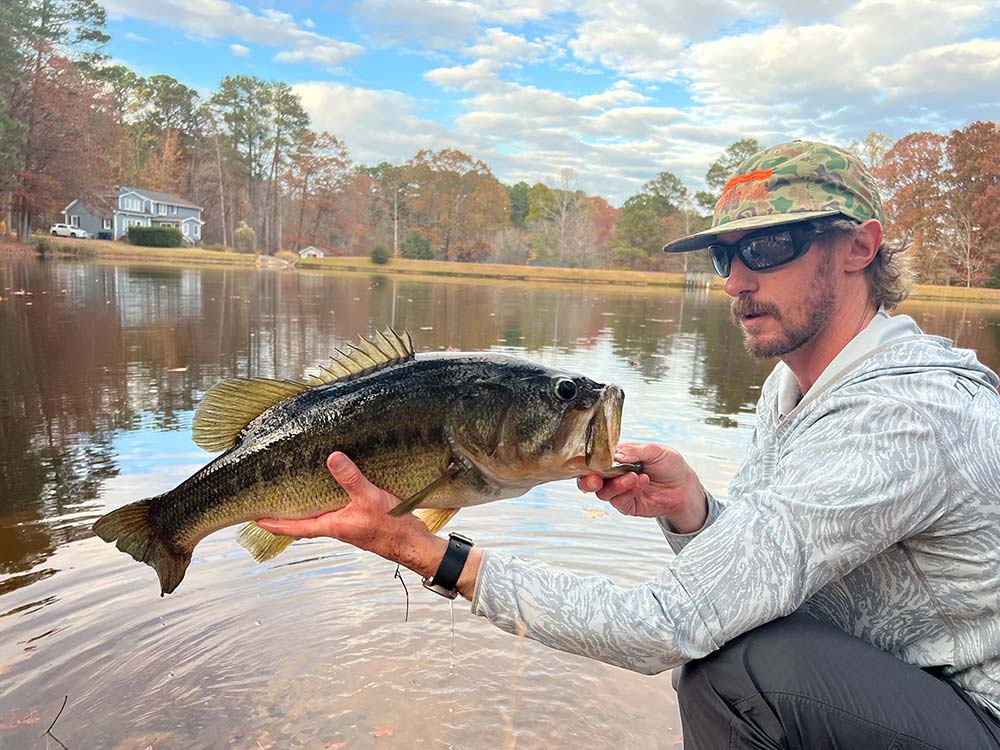
The Scott Session is smooth and mellow, a true freshwater 8-weight ideal for bass, light salmon and heavy trout. It has a freshwater reel seat with a wood insert, so not suitable for saltwater fishing on a regular basis. We would describe the action of the Session 908-4 as “medium or medium-fast.” It is a lovely rod, very approachable for inexperienced casters, but lacks power compared with the Sage or Loomis. It should be fished with an SA Infinity taper, Rio Gold or other common weight forward line, but not a specialty streamer line such as the SA Titan or Rio Outbound.
On the other end of the spectrum is the G.Loomis 8810-4. This is a fast action rod with a stiff butt section designed specifically for casting streamers and articulating the stripping action. Ideal for pike and bass, it is a high line speed machine that is capable of casting heavy headed fly lines, but requires more power input from the angler than either the Scott or Sage. Harry Kearney, eyebrows raised, said, “This is a rod that raised my eyebrows, a rod that delivers confidence when hucking meat at an 8-weight level.”
The Sage Arrow 890-4 is just as smooth as the Scott, but 20% faster action. While still appropriate for freshwater angling, this rod jumps to saltwater much better than the Scott or Loomis. Richard commented, “Smooth as buttering a hot roll. The 890 Arrow is spirited, lively, powerful and playful, excellent for fresh/salt crossover, ideal with a streamer, popper or on the flats.”
[Fly rod pages]
[Shop Scott Session]
[Shop Sage Arrow]
[Shop G.Loomis IMX Pro V2]
[Shop Orvis Recon]